
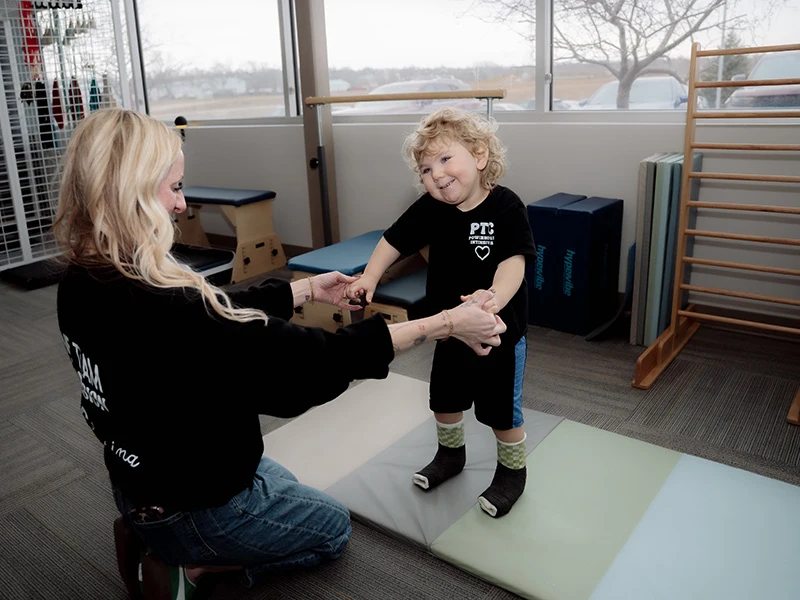
When a child experiences ongoing muscle tightness, limited range of motion, or difficulty maintaining proper joint alignment during movement, progress in therapy can become more challenging. Dynamic Flex Casting is designed to support improved positioning while still allowing functional movement — helping children build strength and refine motor skills more effectively.
At Pediatric Therapy Center, Dynamic Flex Casting is considered when alignment challenges are interfering with a child’s ability to develop efficient, coordinated movement patterns.
Understanding the Need for Alignment Support
Children develop motor skills by practicing movements repeatedly. However, when muscle tightness, weakness, or tone differences affect joint positioning, the body may compensate. Over time, these compensatory patterns can lead to inefficient movement, fatigue, and limited functional progress.
Dynamic Flex Casting provides structured, flexible support to guide joints into improved alignment. This allows children to practice standing, walking, reaching, or transitioning with better mechanics — reinforcing more efficient motor pathways.
Children Who May Benefit from Dynamic Flex Casting
Dynamic Flex Casting is commonly considered for children with diagnoses or movement challenges that impact muscle tone, strength, and alignment.
Cerebral Palsy
Children with cerebral palsy often experience spasticity or muscle imbalances that affect posture and joint positioning. Tightness in the ankles, knees, or hips can make walking and standing more difficult.
Dynamic Flex Casting may help support improved alignment while allowing the child to continue active therapy. When joints are positioned more optimally, muscle activation patterns can improve and functional mobility may become more efficient.
Hypotonia
Children with hypotonia, or low muscle tone, may demonstrate joint instability and difficulty maintaining upright posture. Because their muscles provide less natural support, alignment can be inconsistent during movement.
Dynamic Flex Casting can offer additional structural support, helping children practice motor skills with improved stability. This can enhance balance, endurance, and confidence during weight-bearing activities.
Neuromuscular Disorders
Children with neuromuscular conditions may experience muscle weakness or progressive changes in movement patterns. Maintaining joint alignment is critical for preserving mobility and preventing secondary complications.
When used strategically, Dynamic Flex Casting can support better positioning during therapy sessions and daily activities, helping children move more efficiently.
Developmental Delays
Some children with developmental delays demonstrate asymmetrical posture, tight muscle groups, or difficulty coordinating movements. If alignment issues are limiting progress toward milestones such as standing or walking, casting may be incorporated to support improved motor learning.
By reinforcing proper positioning during skill practice, children can build strength in more functional patterns.
Postural Instability
Children who struggle with core strength or trunk control may find it difficult to maintain upright alignment during movement. Instability in one area of the body often affects movement elsewhere.
Dynamic Flex Casting can provide targeted support to improve alignment at specific joints, which may positively influence overall posture and balance.
When Is Dynamic Flex Casting Recommended?
Dynamic Flex Casting is not automatically appropriate for every child with these diagnoses. At Pediatric Therapy Center, therapists conduct a comprehensive evaluation to determine whether casting would enhance a child’s progress.
Casting may be considered when:
- Persistent tightness is limiting range of motion
- Alignment issues interfere with walking or standing
- Traditional therapy alone is not producing expected progress
- A child is participating in an intensive therapy program
- Improved positioning could accelerate functional gains
The decision is always individualized and based on both clinical findings and family goals.
Supporting Functional Independence
The ultimate goal of Dynamic Flex Casting is not simply improved positioning — it is improved function. When alignment improves, children may experience greater stability, smoother movement patterns, reduced fatigue, and increased confidence during mobility tasks.
By combining casting with skilled pediatric therapy, children have the opportunity to strengthen neural pathways, refine motor control, and build independence in meaningful daily activities.
If you are wondering whether Dynamic Flex Casting may benefit your child, our team at Pediatric Therapy Center can provide a comprehensive evaluation and guide you through the decision-making process.
Learn more on our Dynamic Flex Casting page, read about the functional benefits of Dynamic Flex Casting, or contact Pediatric Therapy Center in Papillion at 402-932-2782.